
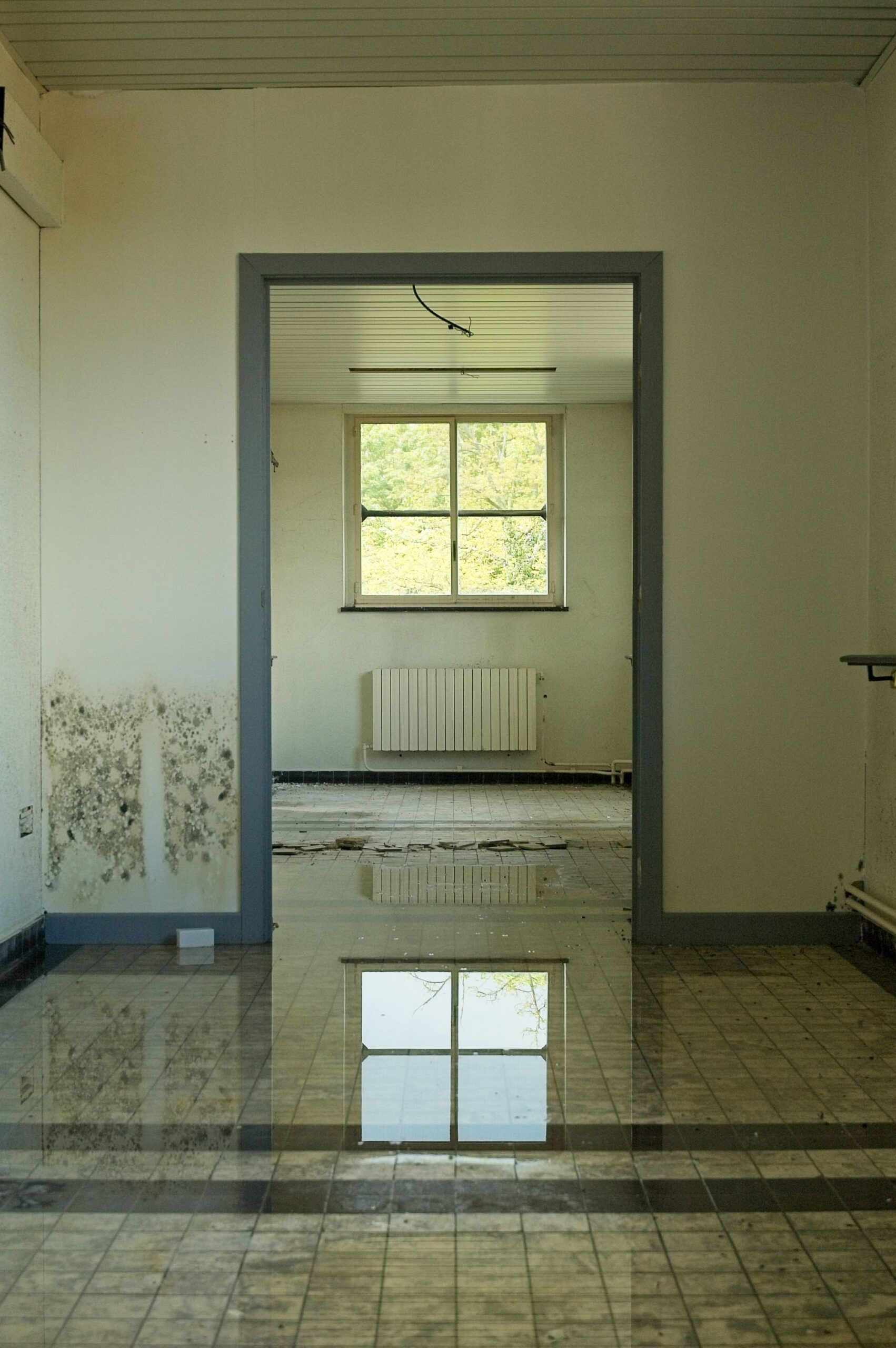
Black mold, scientifically known as Stachybotrys chartarum, is a greenish-black fungus that grows in moisture-damaged areas of your home and produces mycotoxins that can seriously harm your health. Yes, it is dangerous, particularly for children, elderly individuals, and anyone with respiratory conditions.
This article covers what black mold is, how it differs from other mold types, what health risks it poses, how to identify it in your home, and what Milwaukee-area homeowners should do when they find it.
Understand What Black Mold Actually Is
Black mold is not just any dark-colored mold. Stachybotrys chartarum is a specific species that thrives on materials with high cellulose content, such as drywall, wood, ceiling tiles, and insulation. It requires consistently wet conditions to grow and typically appears after prolonged water damage or flooding.
It gets its dangerous reputation from mycotoxins. These are toxic compounds the mold produces as a byproduct of its growth cycle. Not every mold species produces mycotoxins, but Stachybotrys does, and that distinction matters significantly for your health.
Black mold has a slimy, wet texture when active and may look dark green or black. When it dries out, it becomes powdery and easier to disturb. Disturbing it releases spores and mycotoxin particles into your air, which is when exposure risk increases.
Many homeowners confuse it with Cladosporium or Aspergillus, which are also dark-colored molds but far more common and less toxigenic. The only way to confirm black mold is through professional testing. Visual identification alone is not reliable.
Know the Health Risks of Black Mold Exposure
Black mold exposure can cause a wide range of symptoms. Short-term exposure may feel like a cold or seasonal allergies, but long-term exposure to mycotoxins can lead to serious and lasting health problems.
Common symptoms of black mold exposure include the following:
- Chronic coughing and sneezing
- Nasal and sinus congestion
- Eye irritation, redness, or blurry vision
- Skin rashes or unexplained itching
- Fatigue and persistent headaches
- Difficulty breathing or wheezing
- Neurological symptoms such as memory loss, mood changes, and difficulty concentrating
Prolonged exposure is where the real danger lies. Studies have linked long-term mycotoxin exposure to immune suppression, pulmonary hemorrhage in infants, and nervous system damage. These are not minor inconveniences.
Children, elderly adults, pregnant women, and people with asthma or compromised immune systems face the highest risk. If anyone in your household fits those categories and you suspect mold, treat it as urgent.
Compare Black Mold to Other Common Mold Types
Not all mold is created equal. Understanding how black mold compares to other common mold species helps you assess the severity of what you are dealing with.
| Mold Type | Color | Common Location | Mycotoxin Producer | Health Risk Level |
|---|---|---|---|---|
| Stachybotrys chartarum | Greenish-black, slimy | Water-damaged drywall, wood | Yes | High |
| Aspergillus | Green, yellow, brown | HVAC systems, food, insulation | Some strains | Moderate to High |
| Cladosporium | Olive green or black | Carpets, fabrics, surfaces | Rarely | Low to Moderate |
| Penicillium | Blue-green | Water-damaged materials, food | Some strains | Moderate |
| Alternaria | Dark brown or black | Showers, under sinks, windows | Rarely | Low to Moderate |
Even lower-risk molds can aggravate allergies and asthma. Any visible mold growth in your home deserves attention. But black mold specifically warrants immediate professional intervention.
Identify Where Black Mold Grows in Milwaukee-Area Homes
Wisconsin’s climate makes homes in Milwaukee, Racine, Kenosha, Oak Creek, and surrounding communities particularly vulnerable to black mold. Cold winters lead to condensation on walls and windows. Spring flooding and heavy rain events push water into basements and crawl spaces. Humidity in summer months accelerates mold growth behind walls and under flooring.
Black mold needs moisture, warmth, and an organic food source. In Southeastern Wisconsin homes, the most common locations include the following:
- Basements and crawl spaces with poor drainage or past flooding
- Behind drywall near plumbing pipes, especially in older Milwaukee and Racine homes
- Under bathroom and kitchen flooring where leaks go undetected
- Around windows with chronic condensation, common in Shorewood and Whitefish Bay older builds
- Attics with roof leaks or inadequate ventilation
- HVAC ducts and air handlers in homes that experienced water intrusion
Many homeowners in New Berlin, Greenfield, and Wauwatosa discover black mold months after a basement flood or slow plumbing leak. By then, the colony can be extensive and well-established behind finished walls.
If your home had any water damage event in the past 12 to 24 months and was not professionally dried and treated, mold may already be growing out of sight. Emergency Restoration Services responds to these situations regularly across the Milwaukee metro area.
Review the Timeline and Cost of Black Mold Remediation
If you confirm black mold in your home, professional remediation is not optional. DIY cleanup of black mold is not recommended because disturbing the colony without proper containment spreads spores throughout your home and increases your exposure risk.
Here is a general breakdown of what professional black mold remediation involves and what you can expect to pay:
| Remediation Scope | Estimated Cost Range | Typical Timeline |
|---|---|---|
| Small area (under 10 sq ft), surface level | $500 to $1,500 | 1 to 2 days |
| Bathroom or crawl space | $1,500 to $3,500 | 2 to 3 days |
| Basement with water damage | $3,000 to $8,000 | 3 to 7 days |
| Whole-home or structural involvement | $8,000 to $25,000+ | 1 to 3 weeks |
| Mold testing and air quality assessment | $300 to $700 | Same day to 3 days for lab results |
Costs vary based on the size of the affected area, the materials involved, and whether structural components need to be removed. Homeowners insurance may cover mold remediation if the mold resulted from a covered water damage event. Review your policy carefully and document everything.
Emergency Restoration Services provides detailed remediation estimates for homeowners throughout the Milwaukee area, including Franklin, Hales Corners, Greendale, Brown Deer, and Glendale.
Understand How Black Mold Is Professionally Remediated
Professional mold remediation follows a specific process designed to contain the mold, remove it safely, and prevent recurrence. Here is what that process looks like when a certified team handles the job:
- Assessment and testing: A technician inspects the property, identifies the mold species, and determines the extent of the growth using moisture meters and thermal imaging.
- Containment: The affected area is sealed off with plastic sheeting and negative air pressure to prevent spores from spreading to other parts of the home.
- Air filtration: HEPA air scrubbers run continuously throughout the remediation to capture airborne spores.
- Removal of contaminated materials: Drywall, insulation, flooring, or other porous materials that cannot be salvaged are removed and disposed of per EPA guidelines.
- Antimicrobial treatment: Remaining surfaces are treated with EPA-registered antimicrobial solutions to kill residual spores and inhibit regrowth.
- Drying and dehumidification: Industrial drying equipment removes residual moisture so mold cannot return.
- Post-remediation testing: Air and surface samples are taken to confirm the space is clear before containment is removed.
This process is thorough and cannot be replicated with bleach and a sponge. Bleach does not penetrate porous materials, and surface cleaning leaves root structures (hyphae) alive in the material. That is why DIY attempts often result in the mold returning within weeks.
FAQs on What Is Black Mold and Is It Dangerous
How do I know if the mold in my home is black mold?
You cannot reliably identify black mold by appearance alone. While Stachybotrys chartarum is typically greenish-black and slimy, other mold species can look similar. The only way to confirm it is black mold is through professional testing, which includes air sampling and lab analysis.
Can black mold make you sick even if you cannot see it?
Yes. Black mold growing inside walls, under flooring, or in HVAC systems can release spores and mycotoxins into your air without being visible. If you notice musty odors or unexplained health symptoms, treat it as a potential mold problem and schedule a professional inspection.
Is black mold covered by homeowners insurance in Wisconsin?
It depends on the cause. If black mold developed as a result of a sudden, covered water damage event like a burst pipe, your homeowners insurance policy may cover remediation. Mold caused by long-term neglect or gradual leaks is typically excluded. Review your policy and contact your insurer immediately after any water damage event.
How long does it take for black mold to grow after water damage?
Mold can begin growing within 24 to 48 hours of a water damage event under the right conditions. Black mold specifically tends to establish within 7 to 14 days of sustained moisture exposure. This is why fast water extraction and drying after flooding or leaks is critical.
Can I clean up black mold myself?
The EPA recommends professional remediation for any mold coverage larger than 10 square feet, and strongly advises against DIY cleanup of confirmed black mold. Disturbing the colony without proper containment spreads spores throughout your home and significantly increases your health exposure risk.
Does black mold always have a smell?
Black mold often produces a strong musty or earthy odor, but not always. Some infestations behind walls or in low-air-circulation areas may not produce a noticeable smell at first. A persistent musty smell in your home, even without visible mold, warrants a professional inspection.
Wrap Up and Next Steps
Black mold is dangerous, and the answer to whether you should take it seriously is always yes. It produces mycotoxins that can cause lasting respiratory and neurological harm, and it grows quickly in the moisture-prone homes common throughout Milwaukee, Racine, Kenosha, and the surrounding communities.
If you suspect black mold in your home, do not wait and do not guess. Emergency Restoration Services is a trusted water damage and mold remediation company serving the entire Milwaukee metro area, including Brookfield, Oak Creek, Wauwatosa, Shorewood, and beyond. Call us at (414) 322-9869 to schedule an inspection and get a clear picture of what you are dealing with before the problem grows.